Call us: 9187147515

🪴 The Ultimate Guide to Terrace Garden Setup: Do's & Don'ts for Rooftop Gardening Success
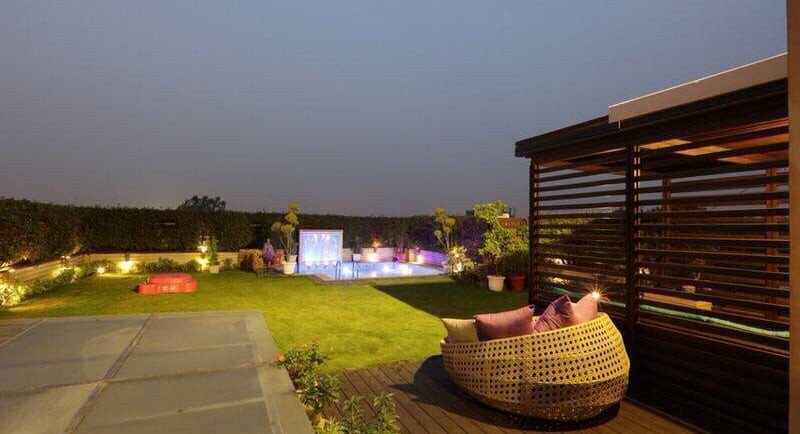
Imagine transforming your urban roof space into a lush, productive escape. A terrace garden setup is the perfect way to bring nature home, grow organic produce, and add significant value to your property. Whether you're starting a small herb collection or planning a full-scale rooftop gardening project, preparation is everything.
ROOFTOP GARDEN
MyGreenearth
12/5/20253 min read
1. Planning Your Dream Rooftop Garden: Foundation & Structural Safety
The biggest mistake a beginner gardener makes is skipping the planning stage. Before buying a single plant, you must treat your terrace like a construction project.
✅ DO Check the Structural Weight Bearing Capacity: This is the most crucial step for container gardening in India. Soil, water, and pots are heavy. Consult a structural engineer (especially for older buildings) to understand your roof's weight limit. Distribute heavier planters (like large ceramic or stone pots) near load-bearing walls. Safety first!
✅ DO Prioritize Waterproofing and Drainage: Ensure your terrace has a robust waterproofing membrane and functional slopes. Use pot feet or bricks to elevate all containers. This prevents water stagnation, root rot, and crucial damage to your building's structure.
✅ DO Assess Sun and Wind Exposure: Observe how many hours of direct sunlight your space receives. Full sun (6+ hours) is great for veggies; partial shade (2-4 hours) is perfect for leafy greens. Plan for windbreaks (like trellises or a privacy screen) if your terrace is very exposed.
✅ DO Plan for Easy Water Access: Set up a drip irrigation system or ensure a hose connection is easily accessible. Efficient watering is a cornerstone of a successful terrace garden setup.
❌ DON'T Use Heavy Field Soil: Never use thick garden soil in containers. It compacts, becomes too heavy, and drains poorly. Stick to light, high-quality potting mix for containers.
❌ DON'T Block Rainwater Outlets: Keep all drainage pipes and gutters clear of soil and debris to prevent water accumulation.
❌ DON'T Underestimate the Cost: Factor in the price of quality pots, soil, seeds, and structural consulting. A well-planned budget prevents half-finished projects.
2. Selecting the Best Containers for Container Gardening on a Terrace
The container is your plant's entire world. Choosing the right one directly impacts the health and longevity of your garden.
✅ DO Ensure Proper Drainage Holes: Every planter MUST have at least 3-4 drainage holes at the bottom. This is non-negotiable for root health.
✅ DO Opt for Lightweight Materials: Grow bags (fabric pots), reinforced plastic planters, and lightweight fiberglass are excellent choices for reducing overall roof load. They are ideal for high-yield, low-weight setups.
✅ DO Use Large Pots for Vegetables: For deep-rooted plants like tomatoes, chillies, and gourds, use containers with a depth of at least 15-18 inches. This allows for stable root growth and better moisture retention, which is vital in the Indian summer.
✅ DO Group Plants Strategically: Cluster pots together to create a microclimate. This helps increase humidity and provides mutual shade during the hottest part of the day.
❌ DON'T Reuse Toxic or Contaminated Containers: Ensure old containers are clean and free of harmful chemicals before planting edibles.
❌ DON'T Forget to Mulch: In the harsh Indian climate, a layer of mulch (straw, cocopeat, or dried leaves) on top of the soil prevents rapid water evaporation and keeps roots cool.
3. Soil & Nutrients: Fueling Your MyGreenEarth Terrace Garden
A thriving garden starts with great soil. For successful rooftop gardening, you need a blend that is light, drains well, and is packed with nutrition.
✅ DO Use a Professional Potting Mix: Your soil should contain a balanced mix of coco-peat (for water retention), perlite/vermiculite (for aeration), and compost/vermicompost (for nutrients).
✅ DO Feed Your Plants Organically: Since container plants have limited access to nutrients, supplement their diet weekly with organic liquid feed (e.g., fermented rice water, Jeevamrut, or diluted compost tea).
✅ DO Rotate Your Crops: Even in pots, rotating where you grow specific vegetables each season helps prevent soil-borne diseases and manages nutrient depletion.
❌ DON'T Rely Solely on Store-Bought Chemical Fertilizers: Over time, these can harm beneficial soil microbes and impact the quality of your produce.
4. Choosing the Best Plants for Terrace Garden Success
What you plant depends entirely on your sun exposure and local climate.
✅ DO Start with Easy-to-Grow Edibles: Herbs like Mint, Basil, and Coriander are low-maintenance and highly rewarding. Radishes and Spinach are fast-growing vegetables perfect for beginners.
✅ DO Incorporate Vertical Gardening: Use trellises, arches, and vertical wall planters to maximize space. This is essential for climbers like beans, gourds, and passionfruit, and significantly reduces the weight load on the floor.
✅ DO Plant Companion Flowers: Include plants like Marigolds and Nasturtiums, which naturally deter common pests and attract beneficial pollinators.
Conclusion: Start Your Green Journey with MyGreenEarth!
Starting your terrace garden setup is an exciting endeavor that connects you with nature right at home. By following these terrace garden do's and don'ts—especially focusing on weight management and drainage—you are laying the foundation for a sustainable, beautiful, and bountiful green space.
Ready to find the perfect seeds, soil, and supplies for your new hobby?
👉 Explore our full range of curated rooftop gardening kits and organic amendments tailored for Indian conditions at today!
© 2026. All rights reserved.
Shop Built Safe Products
Download our App