Call us: 9187147515

🌞 Beat the Heat: How to Keep Your Lawn Green and Healthy in the Summer
The Indian summer, with its scorching heat, intense sun, and unpredictable dry spells, can turn a lush green lawn into a patchy, brown wasteland. Your lawn, often the pride of your garden, requires a completely different care routine when the mercury climbs.
LANDSCAPE
MyGreenearth
6/5/20243 min read
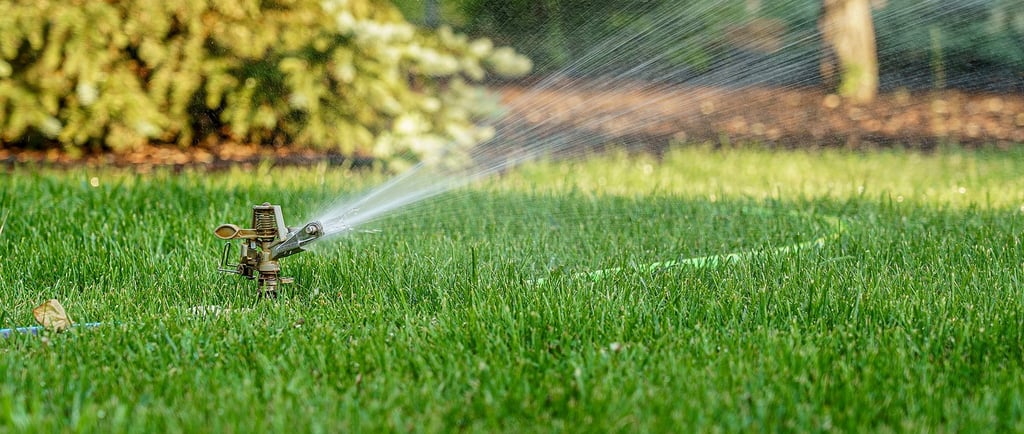
At MyGreenEarth, we understand the challenges of maintaining a beautiful turf in this climate. Here is your essential guide, packed with simple, smart, and water-wise hacks to keep your lawn looking vibrant and healthy all summer long.
1. The Golden Rule of Watering: Deeply, Infrequently, and Early
The biggest mistake is watering daily with a shallow sprinkle. This encourages roots to stay near the surface, where they quickly dry out and burn.
2. Mowing Magic: Raise the Blade, Leave the Clippings
Your lawnmower settings are a critical defense against the summer sun.
Raise the Mowing Height: In summer, set your mower blade to the highest setting, typically keeping the grass at 3.5 to 4 inches (9-10 cm). Taller blades create shade for the soil, keeping the roots cooler and significantly reducing water evaporation.
Keep Blades Sharp: Dull blades tear the grass, leaving ragged edges that lose moisture easily and turn brown. Sharpen your mower blades for a clean cut that heals quickly.
Practice Mulch-Mowing: Leave the grass clippings on the lawn (as long as they are short). These clippings break down quickly, returning essential nutrients (like nitrogen) to the soil and acting as a natural layer of mulch, which helps retain moisture.
3. Smart Nutrition and Soil Health
Your lawn's appetite changes when it’s hot. Too much quick-release fertilizer can actually burn the grass roots.
Go Organic and Slow-Release: Opt for organic compost or slow-release granular fertilizers in mid-summer. Slow-release nitrogen provides a steady food source without causing a sudden surge of growth that stresses the plant.
Aeration is Vital: If your lawn soil is compacted (hard and dense), water and air cannot reach the roots. Aerate your lawn once a year (ideally before summer) using a hollow-tine aerator. This allows the grass roots to breathe and grow deeper.
Dethatching: If your lawn feels spongy, you might have too much thatch (dead organic matter). A thick thatch layer prevents water from reaching the soil. Dethatch the lawn during cooler weather to improve water absorption.
4. Choose the Right Grass for the Indian Climate
For long-term success, start with a warm-season grass that is naturally suited to our heat.
5. Pest and Disease Watch
Hot, humid, and sometimes over-watered lawns are breeding grounds for pests and fungi.
Conclusion: Smart Care for a Green Summer
Keeping your lawn green through the heat of the Indian summer is not about constant effort; it’s about smart strategy. By changing when and how much you water, raising your mower blade, and ensuring your soil is healthy, you can create a resilient, lush green carpet that withstands the strongest sun.
Ready to give your lawn the best chance this summer?
🌱 For expert lawn consultation, soil health checks, or to explore our organic fertilizers, visit us at today!
❓ Frequently Asked Questions (FAQ) about Summer Lawn Care in India
Q1: What is the single biggest mistake people make when watering their lawn in the Indian summer?
A: The biggest mistake is shallow, frequent watering. Watering a little bit every day encourages your grass roots to stay near the soil surface, where they are easily exposed to the harsh summer sun and dry out quickly. You must switch to deep, infrequent watering (soaking the soil 6-8 inches deep) to force the roots to grow downwards, making the grass drought-resistant.
Q2: Is it better to water the lawn in the morning or evening during summer?
A: It is far better to water your lawn in the early morning (4 AM to 8 AM). Watering in the morning ensures the grass has enough moisture to handle the heat of the day. Crucially, the grass blades dry quickly, which prevents the humid, damp conditions that can lead to common fungal diseases like Brown Patch, especially when watering late at night.
Q3: Should I keep my grass long or short during the peak heat?
A: You should keep your grass longer during the summer heat. Set your mower blade to the highest setting, keeping the grass around 3.5 to 4 inches (9-10 cm) tall. The taller blades provide natural shade to the soil, which significantly reduces water evaporation and keeps the roots much cooler, protecting the lawn from scorching.
Q4: What type of fertilizer is safest to use in extreme summer heat?
A: You should avoid quick-release chemical fertilizers, as they can burn the grass roots in high temperatures. Instead, use organic compost or a slow-release granular fertilizer. Slow-release options provide a steady, gentle source of nitrogen and nutrients without stressing the grass or causing rapid, vulnerable growth.
Q5: My lawn has brown patches. Is it drought, disease, or pests?
A: Brown patches can be caused by all three.
Drought: Patches appear in direct sunlight and the grass feels dry.
Fungal Disease (Brown Patch): Often appears as circular patches with a faint "smoke ring" border and occurs in humid, wet conditions.
Pests (Grubs): If you can easily lift the turf like a piece of carpet, it means pests have eaten the roots.
Q6: What is the best grass variety for high heat and drought tolerance in India?
A: Bermuda Grass (Doob Grass) is one of the most popular and resilient warm-season varieties in India due to its excellent heat and drought tolerance and its ability to recover quickly from damage. Other good options include Zoysia Grass and Buffalo Grass for their low-water needs.
© 2026. All rights reserved.
Shop Built Safe Products
Download our App